
SIDMA College

SIDMA College is a private higher learning institution in Malaysia offering academic programs from Foundation Studies, Diploma Programmes, bachelor's degree and master's degree in various fields.
The institution was initially established in 1998 as the Institute of Dynamic Seminar Management (IPDS) in Sarawak, Malaysia. Its founding was driven by a private initiative to provide higher education opportunities in the region, addressing the growing demand for accessible and quality education. At the time, Sarawak, and the broader East Malaysian region, had limited options for higher education, and the institution set out to fill this gap by offering practical and industry-relevant programs. Over the years, the institution gradually expanded its scope, both in terms of its academic offerings and its geographical presence. A key feature of the institution’s educational approach has been its commitment to blended learning. By combining traditional classroom-based instruction with online learning platforms, the institution has been able to offer students greater flexibility in their studies. This blended learning model allows students to access course materials, participate in online discussions, and engage with faculty and peers outside the physical classroom, making education more accessible to a broader range of students, including those balancing work and study. This approach has proven particularly effective in catering to the needs of non-traditional students and those in remote areas.
Throughout its history, the institution has maintained strong affiliations with various local and international universities, enabling students to pursue degree programs and certifications that are recognized both in Malaysia and globally. These partnerships have helped the institution offer a wide range of academic programs, particularly in fields such as business, management, and hospitality, allowing students to progress from diploma to degree and postgraduate qualifications. The institution’s ability to collaborate with other universities has also facilitated credit transfers and academic mobility for its students, further enhancing the quality of the education it provides. Additionally, the institution has formed partnerships with industry organizations to ensure that students gain valuable practical experience and industry exposure. These collaborations have allowed students to participate in internships, projects, and other real-world learning opportunities, helping to bridge the gap between theoretical knowledge and practical application. By working closely with industry leaders, the institution ensures that its graduates are well-equipped with the skills and competencies required to succeed in the competitive job market.
Today, the institution continues to play an important role in Malaysia's higher education landscape, offering a diverse range of academic programs across various fields of study. Its commitment to providing accessible, quality education and its focus on industry-relevant training have contributed significantly to the development of skilled professionals in the region. The institution's flexible learning options, strong industry ties, and partnerships with universities ensure that it remains a key player in providing educational opportunities for students in Sarawak, Sabah, and beyond. As it looks to the future, the institution remains dedicated to its mission of empowering students with the knowledge, skills, and practical experience needed to excel in their careers.
College Profile
Get a quick snapshot of the college's key details.
| University Name | SIDMA College |
|---|---|
| Year Established | 1998 |
| Governing Type | Private (For Profit) |
| Student Body | Co-education |
| Highest Degree | Bachelors |
| Campus Type | Urban |
Location
The college is located in Kota Kinabalu, Sabah. Find the address and map of the college below.
| Address | 2, Bundusan Commercial Centre, Kota Kinabalu, Sabah, Malaysia |
|---|---|
Contact
Connect with the college easily! Find their contact details.
| Phone | +60 88 732 000 |
|---|---|
| Website |
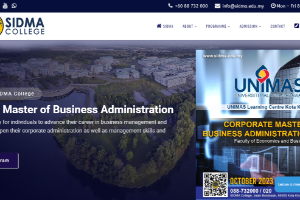
|
| Click here to send email | |
| More Links |
Related Articles
Stay informed with the following articles related to the college or higher education in Malaysia.
Information on SIDMA College was last updated more than a year ago.
Our team works hard to provide the most accurate information on the institution. While we try our best to keep this information current and reliable, we cannot guarantee its accuracy and completeness. Please verify critical details directly with SIDMA College.